TNK vs tPA: What Stroke Nurses Do Differently (2026 Guideline)
The 2026 AHA/ASA stroke guideline makes tenecteplase a Class I, co-equal thrombolytic for acute ischemic stroke. Here's what changes at the bedside — dosing, the single bolus vs. the hour-long drip, and the monitoring that stays exactly the same.
Reviewed ·

For years, “give the tPA” meant one thing on a stroke unit: mix the alteplase, give the bolus, and babysit a one-hour infusion while you run neuro checks. The 2026 AHA/ASA acute ischemic stroke guideline changes the first half of that sentence. Tenecteplase — TNK — is now a Class I recommendation, co-equal with alteplase for eligible patients within 4.5 hours. If your facility switches (many already have), the drug in your hand changes, the way you give it changes, and almost nothing about how you watch the patient changes. This is the piece that sorts out which is which.
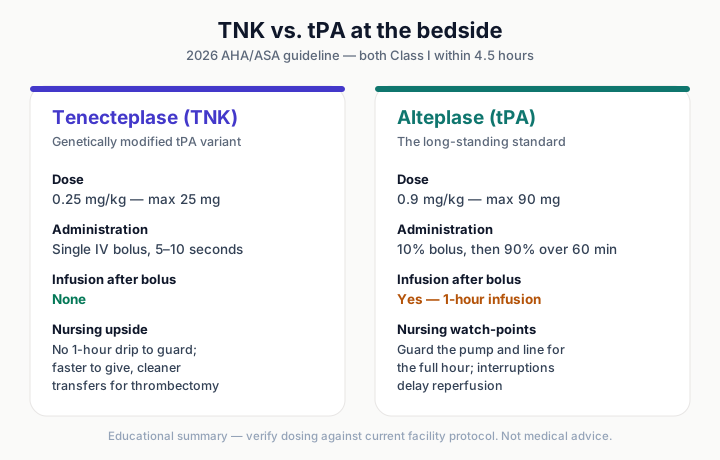
The one change that matters most: bolus vs. drip
The headline difference is how the drug goes in.
- Tenecteplase is a single weight-based IV bolus, 0.25 mg/kg (maximum 25 mg), over 5–10 seconds. No infusion follows. You give it and you’re done pushing.
- Alteplase is 0.9 mg/kg (maximum 90 mg): 10% as a bolus over one minute, then the remaining 90% as an infusion over 60 minutes.
That single-bolus difference is why the guideline authors call out TNK’s practical advantages. There’s no hour-long infusion to protect, no pump to guard against interruption, and — importantly for hub-and-spoke systems — a “drip and ship” transfer for thrombectomy is cleaner when there’s no drip to manage in the ambulance.
Weight-based dosing is a high-alert step
Both drugs are dosed on actual body weight, and both have a hard ceiling (25 mg for TNK, 90 mg for alteplase). A weight entered in the wrong units is one of the classic thrombolytic errors. Confirm the weight, confirm the math, and use your facility’s independent double-check every time.
What does not change: the monitoring
Here’s the reassuring part. The thrombolytic changed; the nursing vigilance did not. Whether the patient got TNK or alteplase, your job in the next 24 hours is the same:
- Neuro checks and vital signs on the post-thrombolytic schedule (commonly every 15 minutes for 2 hours, then every 30 minutes for 6 hours, then hourly to 24 hours — follow your protocol).
- Blood pressure kept below 180/105 mmHg for at least 24 hours. This is the number that prevents symptomatic bleeding, and it’s identical for both drugs. (Before you give either thrombolytic, the treat-to threshold is 185/110.)
- Watching for symptomatic intracerebral hemorrhage. A sudden severe headache, acute hypertension, nausea and vomiting, or any neurologic decline means stop (if an infusion is still running) and activate the team for an emergent CT.
- No antiplatelets or anticoagulants for 24 hours, and no non-essential needle sticks, arterial punctures, or NG tubes in that window.
The mental reframe
With alteplase you guard a process for an hour, then watch the patient for 24. With tenecteplase you skip straight to watching the patient for 24. The bolus is faster; the bleed risk and the neuro checks are the same. Don’t let the quick push lull the room — the highest-risk hours are still ahead of you.
Why the guideline moved
Multiple randomized trials found 0.25 mg/kg tenecteplase non-inferior to alteplase for functional outcomes, without a higher bleeding rate. A higher TNK dose (0.4 mg/kg) was tested and did not help — it trended toward more bleeding — which is why 0.25 mg/kg is the dose that carries the recommendation. Combine equivalent outcomes with a simpler, faster administration, and the co-equal Class I recommendation follows.
The bedside takeaways
- Know which drug your facility stocks and its exact protocol — some sites have fully switched to TNK, some use it only for transfers, some still run alteplase.
- TNK is a single bolus; alteplase is a bolus plus a 60-minute infusion. That’s the difference you’ll feel on shift.
- The 24-hour watch is identical — BP under 180/105, scheduled neuro checks, and a low threshold to escalate for suspected hemorrhage.
The drug got easier to give. The patient didn’t get any less sick. That’s the whole message.
Keep going
New to this? The NIHSS scoring walkthrough covers the assessment that drives treatment decisions, and neuro checks: documenting them defensibly covers the charting that protects you and the patient. Studying for certification? The SCRN question bank is built around exactly this material.
Sources
Guidelines & references
- 2026 AHA/ASA Guideline for the Early Management of Acute Ischemic Stroke — the primary source for the TNK recommendation and dosing
- StatPearls — Tenecteplase — pharmacology background
- StatPearls — Ischemic Stroke — acute management overview