BMI vs BSA: Two Numbers That Aren't Interchangeable
One is a screening ratio, the other is a dosing surface. They're calculated from the same two measurements and used for completely different things — and the one that matters for chemotherapy is the one people know least about.
Reviewed ·
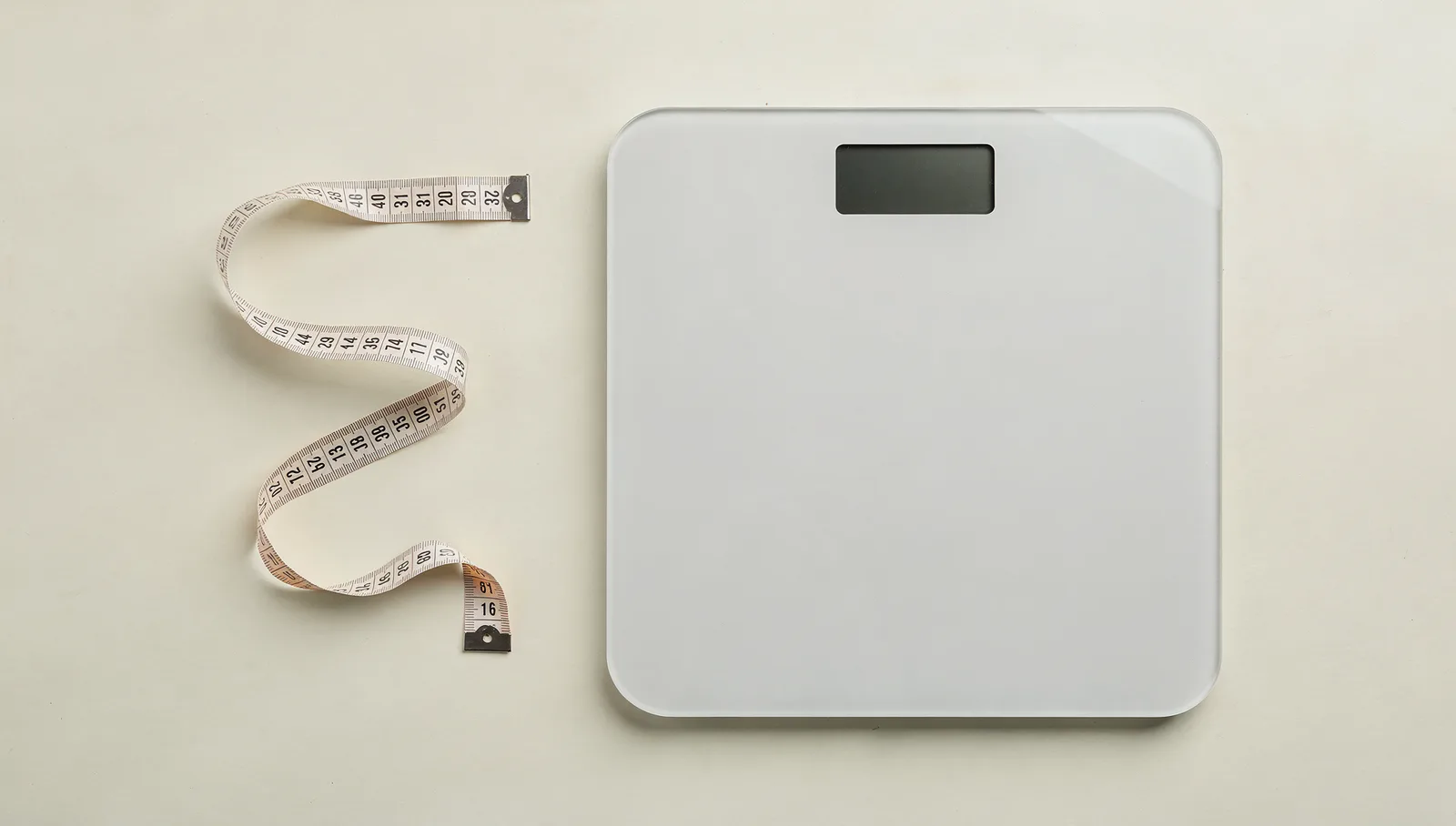
Height and weight get entered once and then quietly drive two very different numbers. Body mass index is a screening ratio. Body surface area is a dosing quantity. They share their inputs and almost nothing else, and the difference matters most in exactly the setting where the stakes are highest.
BMI: a population screening tool
BMI is weight in kilograms divided by height in metres squared. It’s cheap, fast, and reasonable for spotting trends across a population — which is what it was built for.
What it can’t do is distinguish tissue. A muscular patient and a deconditioned one at the same BMI have very different bodies, and BMI reports them identically. It also performs poorly at the extremes of height, and says nothing about where weight is carried, which is what actually drives metabolic risk.
That doesn’t make it useless. It makes it a starting point — a number that prompts a better conversation, not one that concludes it.
BSA: the number drugs are dosed on
Body surface area estimates the total external area of the body in square metres. The reason anyone cares is that it correlates better than weight alone with the physiological things that determine drug handling — cardiac output, glomerular filtration, metabolic rate.
The formula in most common use is Mosteller, largely because it’s simple enough to check by hand:
BSA (m²) = √( height in cm × weight in kg ÷ 3600 )
A typical adult lands somewhere around 1.6 to 2.0 m². Where BSA shows up:
- Chemotherapy, which is the big one — most cytotoxic regimens are dosed per m²
- Some paediatric dosing, particularly where weight-based dosing scales poorly
- Cardiac index, which is cardiac output indexed to BSA
- A handful of other agents with narrow therapeutic windows
A wrong height is a wrong dose
Because BSA feeds directly into cytotoxic dosing, an estimated or mis-entered height propagates straight into a drug with a narrow margin for error. Measure it — don’t ask, and don’t carry forward a figure from a previous visit without checking. Weight should be measured on the day for the same reason.
Where it gets less tidy
BSA dosing is convention rather than a law of nature, and it has known soft spots worth being aware of:
- Obesity. BSA-based dosing in patients with a high body weight has been debated for years. Some regimens historically capped the dose, a practice that has largely been abandoned for curative-intent treatment because it risked under-treating. Local protocol governs this, and it’s a legitimate thing to query.
- Not everything uses it. Carboplatin is the well-known exception, dosed to a target AUC by renal function rather than by BSA. Applying a per-m² habit there is a real error.
- Different formulas give different answers. Mosteller, Du Bois and Haycock disagree slightly. Within one patient’s course of treatment, the formula should stay the same.
If the number looks wrong, it probably is
BSA in an adult outside roughly 1.4–2.3 m² deserves a second look before anything is dosed on it. The usual culprits are centimetres entered as inches, or kilograms as pounds. A quick sanity check on the magnitude catches most of these before pharmacy ever sees them.
The short version
BMI screens and starts conversations. BSA doses drugs. They come from the same two measurements, so the accuracy of those measurements matters far more than most people entering them realise.
Try it
The BMI & BSA calculator computes both from a height and weight, so you can see how the same inputs produce two different numbers.
Keep going
For the other calculation nurses do constantly and can’t afford to get wrong, IV drip rates.
Sources
References
- StatPearls — Body Surface Area — formulas and clinical applications
- ASCO — Chemotherapy dosing in adults — BSA-based dosing guidance, including body weight considerations
- CDC — About Adult BMI — what BMI is and is not designed to do