The Stroke Swallow Screen: Why Nothing Goes in the Mouth First
A swallow screen is one of the few stroke interventions that is entirely nurse-driven, takes minutes, and measurably prevents pneumonia. What the screen checks, what a fail looks like, and why silent aspiration makes 'they seem fine' the wrong standard.
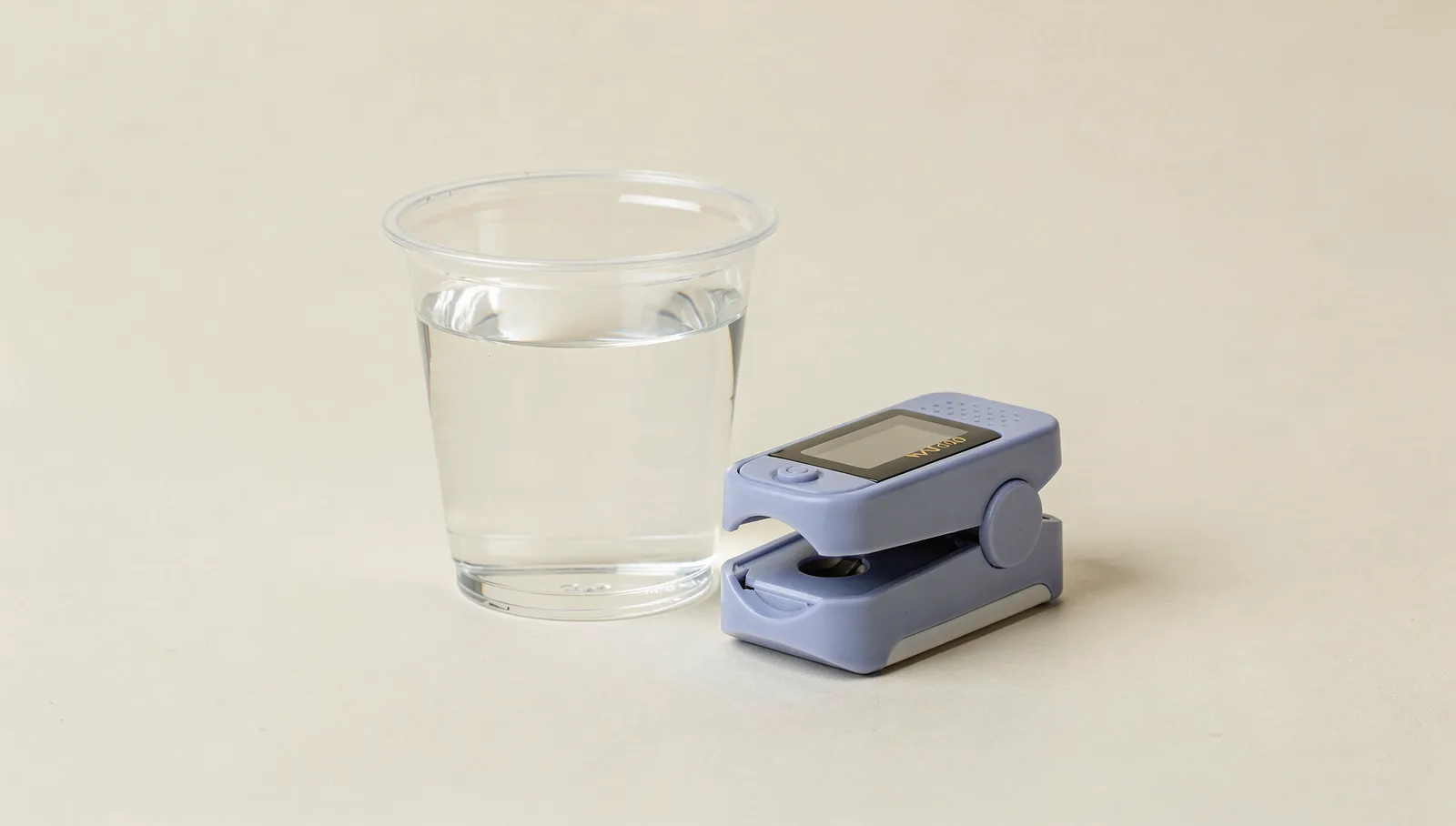
Most of what happens in the first hours of a stroke belongs to somebody else — the scanner, the interventionalist, the pharmacy. The swallow screen is different. It’s yours, it takes a few minutes, and skipping it is one of the more reliable ways to turn a survivable stroke into an aspiration pneumonia.
Roughly half of acute stroke patients have some degree of dysphagia. That is why the rule is blunt: nothing by mouth — no food, no fluids, no oral medications, not even a sip of water — until a swallow screen is passed.
Why the ice chips matter more than they look
The instinct to offer water is a kind one. The patient is thirsty, dry-mouthed, often frightened, and asking. But a stroke can knock out the coordination that protects the airway while leaving the patient alert, conversational, and entirely convincing.
The specific trap is silent aspiration — material entering the airway with no cough, no choking, no visible distress at all. A substantial share of aspiration after stroke is silent. That single fact dismantles the most common bedside shortcut: they’re talking fine, they can have a sip. Talking fine tells you about speech. It tells you very little about swallowing.
A patient who looks fine can still be aspirating
Absence of coughing is not evidence of a safe swallow. If the screen hasn’t been done or hasn’t been passed, the answer to “can they have something to drink?” is no — including from well-meaning family who’ve brought a cup to the bedside. Say why; most people have never heard of silent aspiration and will hold the line once they understand it.
What the screen actually checks
Facilities use different validated tools, and you should use whichever yours has adopted. Most follow the same shape, and understanding the shape matters more than memorizing one instrument.
First, is the patient even screenable? Before any water goes near the patient, they need to be alert enough to participate and able to sit upright. A drowsy patient who can’t be kept awake through the screen fails at this step — you don’t proceed to a water trial to find out.
Then, a look at the equipment. Facial symmetry, tongue movement, the ability to cough on command, and the quality of the voice. A weak or absent volitional cough is a meaningful finding: it’s the airway’s backup plan.
Then, a water trial. Small, controlled amounts under direct observation, watching for trouble as they swallow and — importantly — for a period afterward.
What counts as a fail:
- Coughing or throat-clearing during or after the swallow
- A wet or gurgly voice change afterward (ask them to say their name again — the change is often obvious)
- Drooling, or fluid escaping the lips
- Pocketing food or fluid in the cheek
- Any change in breathing, or a drop in oxygen saturation
- Visible struggle, multiple swallows for a single sip, or a delayed swallow
Ask them to speak after each swallow
The voice check is the cheapest, highest-yield part of the whole screen. Have the patient say their name or count to five after swallowing. A voice that has turned wet, gurgly, or breathy suggests residue sitting where it shouldn’t be — and it catches some patients who never cough at all.
When the screen fails
A failed screen isn’t a dead end; it’s a referral and a set of workarounds.
- Keep the patient NPO and make sure the order and the sign at the bedside both say so. Verbal handoff alone doesn’t survive a shift change.
- Refer to speech-language pathology. SLP performs the fuller assessment and decides on diet texture and liquid consistency, and whether instrumental testing is needed.
- Solve the medication problem deliberately. This is where NPO quietly breaks down: essential medications still have to get in. That’s a conversation with pharmacy and the provider about IV, rectal, transdermal, or enteral routes — not a decision to crush something and hope. Not every tablet can be crushed; extended-release and enteric-coated formulations in particular can be dangerous when crushed.
- Do oral care anyway. NPO does not mean the mouth gets ignored — the opposite. Colonized secretions are what makes aspiration turn into pneumonia, so regular oral care is an active pneumonia-prevention measure, not a comfort nicety.
Why this shows up in stroke-center metrics
Dysphagia screening before any oral intake is a tracked quality measure at certified stroke centers, and it’s tracked because it’s one of the clearest links between a small nursing action and a hard patient outcome. Pneumonia after stroke lengthens stays, worsens recovery, and kills people. The screen is cheap, fast, and preventive.
It also has a documentation half. If the screen isn’t charted, it didn’t happen — the same standard that governs every other part of the neuro record. Chart the screen, the result, the time, and what you did with a fail.
The bottom line
Before anything goes in the mouth, someone has to check that the mouth still works. It’s a few minutes of your time, it’s entirely within your scope, and it’s one of the few things on a stroke unit where doing the small thing correctly prevents the big thing outright.
Keep going
The wider assessment picture: NIHSS scoring walkthrough — note that the exam includes dysarthria and language items that often travel with swallowing trouble. For getting all of it into the chart defensibly, see neuro checks: documenting them defensibly. New to the unit? New nurse on a stroke unit: the first 90 days.
Sources
Guidelines & references
- 2026 AHA/ASA Guideline for the Early Management of Acute Ischemic Stroke — dysphagia screening before oral intake
- StatPearls — Dysphagia — assessment and complications
- AANN — Clinical Practice Guidelines (neuroscience nursing) — nursing standards for stroke care