
Wellness
Nursing Burnout & Self-Care
Practical burnout prevention, stress management, and self-care strategies for nurses — from recognizing warning signs to setting boundaries and knowing when to seek professional support.
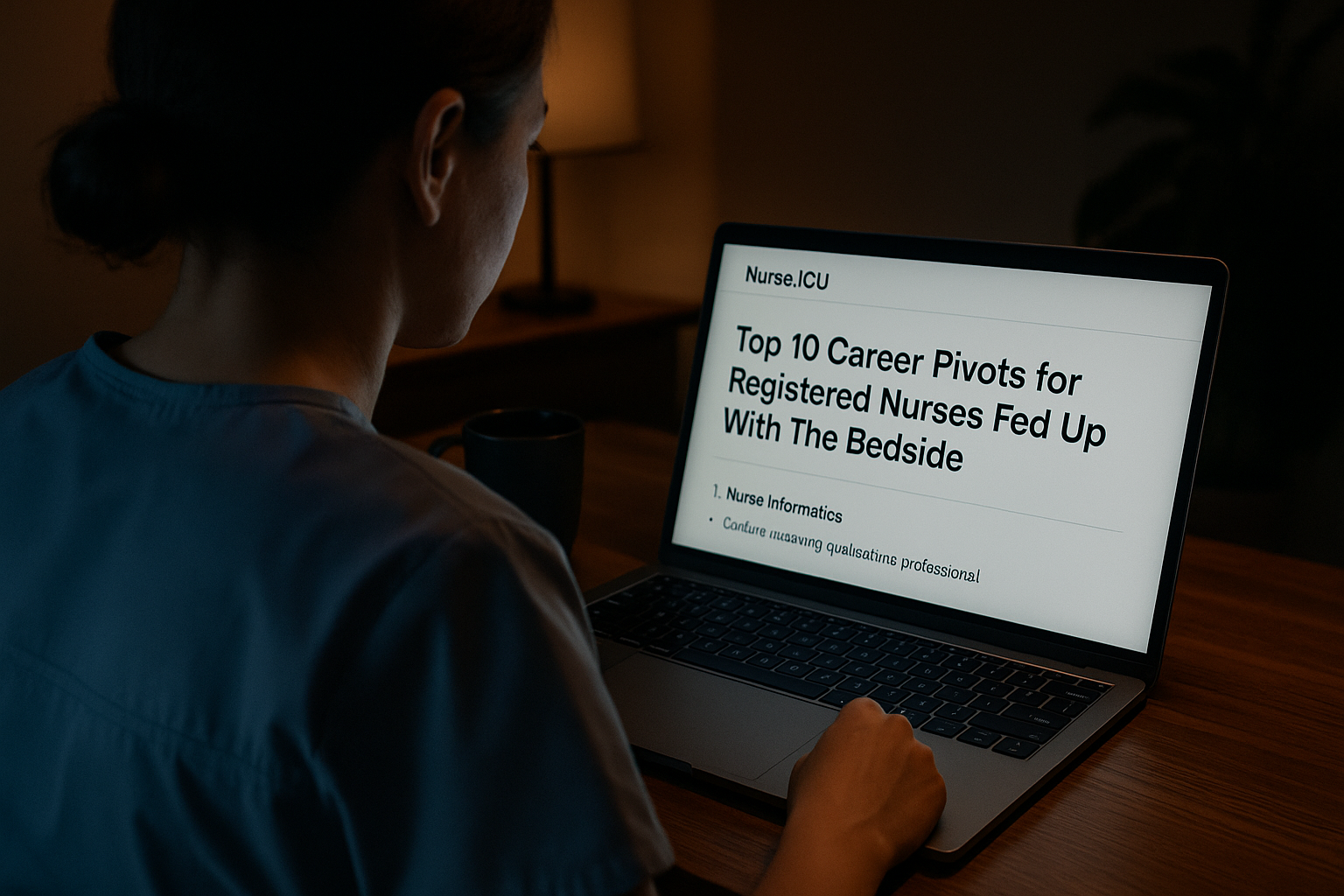
Because you can’t pour from an empty cup. Practical guidance on burnout, stress management, and taking care of yourself so you can keep taking care of others.
The reality check
Nursing is demanding: long shifts, emotional strain, physical fatigue, and constant pressure to perform in high-stakes situations. Burnout isn’t a personal failing — it’s a recognized occupational hazard.
You’ve probably heard the standard advice: “Practice self-care!” “Find work-life balance!” What follows is a set of practical strategies meant to hold up on the days when you’re exhausted, understaffed, and running on caffeine and determination.
Burnout warning signs
Rather than assuming everyone feels this way, learn to recognize the signs:
- Physical: Chronic fatigue, frequent illness, sleep problems, headaches
- Emotional: Feeling overwhelmed, irritable, or emotionally numb
- Behavioral: Calling in sick more often, avoiding work conversations, dreading shifts
- Cognitive: Trouble concentrating, making mistakes, feeling incompetent
- A major red flag: When you stop caring about patients — that’s a sign it has become serious
RNs need to mind their R&R
Mindfulness isn’t only meditation apps and breathing exercises (though those help). It’s about being present and intentional with your mental health. Here’s how to make it practical.
Micro-moments of mindfulness
You don’t need an hour-long yoga session. Try these during your shift:
- Three-breath reset: Before entering a room, take three deep breaths
- Hand hygiene mindfulness: Use those 20 seconds of handwashing to reset your mind
- Documentation breaks: Take 30 seconds to notice your posture and breathing while charting
- Transition rituals: Create a mental “switch” when moving between patients
Remember: you need R&R too
Everyone talks about providing rest and relaxation to patients — but what about you? Make time for your own R&R:
- Actual lunch breaks: Leave the unit. Eat real food. In silence if you want.
- End-of-shift decompression: Don’t bring the hospital home in your head
- Days off that count: Do something that makes you feel like a person, not just a nurse
- Sleep hygiene: Your bed is not for watching TV about medical emergencies
Financial stress management
Money stress makes everything harder. A few practical solutions:
- Know your worth: Research salary ranges and don’t settle
- Pick up shifts strategically: Because you choose to, not because you’re broke
- Emergency fund: Even $500 can change how a bad week feels
- Benefits utilization: Use your EAP, PTO, and health benefits
Setting boundaries
You’re not a superhero — you’re a professional:
- Say no without guilt: “I can’t pick up that shift” is a complete sentence
- Work stays at work: Don’t answer work calls on your days off
- Emotional boundaries: Care for patients without taking on their trauma
- Professional limits: You’re not responsible for staffing failures
Practical stress management
During your shift
- Prioritize ruthlessly: What actually needs to happen vs. what would be nice
- Team up: Help each other without martyring yourself
- Hydrate and fuel: Dehydration and hunger make everything harder
- Move your body: Take the stairs, stretch in the supply room
- Find humor: Appropriate humor is a real survival mechanism
Between shifts
- Decompress ritual: Change clothes, shower, do something to transition
- Connect with non-medical people: Remember there’s a world outside healthcare
- Do something with your hands: Cook, craft, garden — anything tactile and creative
- Physical activity: Whatever moves your body and clears your head
When to get help
Reach out for professional support if you notice
Persistent thoughts of self-harm or hurting others · substance use to cope with stress · complete loss of enjoyment in things you used to love · inability to function outside of work · making mistakes at work due to stress or exhaustion.
If you or a colleague is in crisis, the 988 Suicide & Crisis Lifeline is available 24/7 — call or text 988. You can also reach the Crisis Text Line by texting HOME to 741741.
Resources that actually help
- Employee Assistance Programs (EAP): Usually free and confidential
- Crisis hotlines: 988 Suicide & Crisis Lifeline; Crisis Text Line (text HOME to 741741)
- Professional therapy: Find someone who understands healthcare workers
- Physician/nurse impairment programs: Confidential help for substance use issues
- Your state nursing association: Often has wellness resources
Mindfulness & wellness apps
- Headspace: Frequently offers free access for healthcare workers
- Calm: Sleep stories and quick meditations
- Insight Timer: Free meditations, some healthcare-specific
- PTSD Coach: For trauma-related stress symptoms
- Sanvello: Anxiety and mood tracking
The bottom line
You became a nurse to help people, not to sacrifice your own well-being. Taking care of yourself isn’t selfish — it’s professional. You can’t provide good patient care if you’re running on empty.
Real nurses need real rest and relaxation. You’re not a machine and you’re not disposable, and you deserve to be healthy both at work and at home. Give yourself permission to prioritize your own R&R.