
Study & Exams
Clinical References for Nurses
Quick-reference drug safety, normal and critical lab values, assessment scales, and emergency protocols to support evidence-based nursing practice at the bedside.
By The Nurse.ICU TeamUpdated
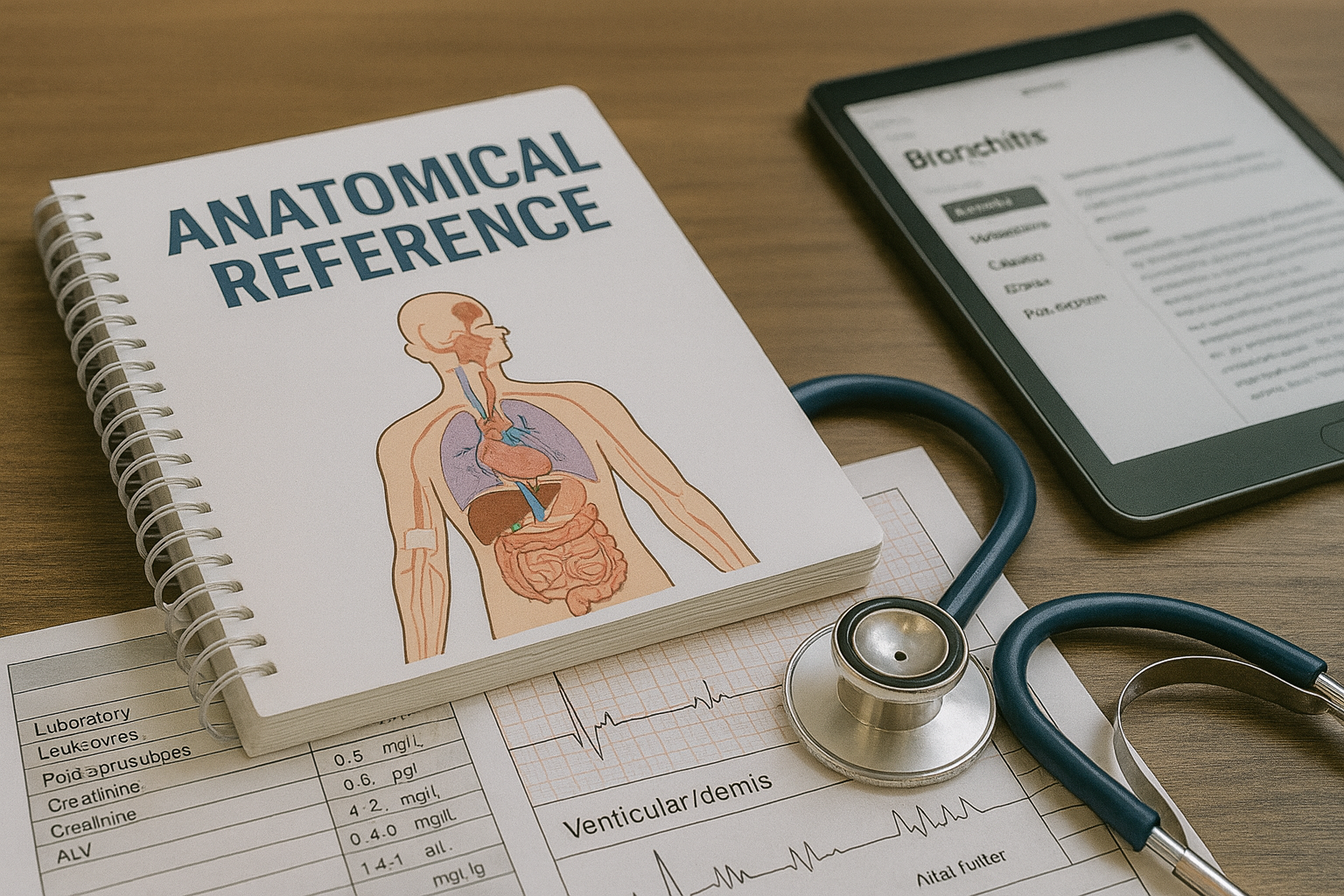
Comprehensive clinical references to support evidence-based nursing practice — quick access to drug information, lab values, assessment tools, and care protocols. Verify against your facility’s current policies before acting.
Essential drug information
High-alert medications
Require special handling and monitoring
Insulin preparations · anticoagulants (heparin, warfarin) · chemotherapy agents · opioid analgesics · concentrated potassium solutions.
Drug calculations
Essential formulas for safe medication administration:
- Basic dosage formula (desired ÷ available × volume)
- Weight-based dosing
- IV flow rate calculations
- Unit conversions
- Pediatric dosing
Medication safety — the rights
- Right patient, drug, dose
- Right route, time, documentation
- Drug interaction checks
- Allergy verification
- Independent double-checking protocols
Laboratory values reference
Complete blood count (CBC)
| Test | Normal range | Critical values |
|---|---|---|
| Hemoglobin | 12–16 g/dL (F); 14–18 g/dL (M) | <7 or >20 g/dL |
| Hematocrit | 36–46% (F); 41–53% (M) | <20% or >60% |
| WBC count | 4,500–11,000/μL | <2,000 or >30,000 |
| Platelet count | 150,000–450,000/μL | <50,000 or >1,000,000 |
Basic metabolic panel (BMP)
| Test | Normal range | Critical values |
|---|---|---|
| Glucose | 70–100 mg/dL | <40 or >400 mg/dL |
| Sodium | 136–145 mEq/L | <120 or >160 mEq/L |
| Potassium | 3.5–5.0 mEq/L | <2.5 or >6.0 mEq/L |
| Creatinine | 0.6–1.2 mg/dL | >4.0 mg/dL |
Vital signs & assessment
Normal adult vital signs
- Blood pressure: <120/80 mmHg
- Heart rate: 60–100 bpm
- Respiratory rate: 12–20 breaths/min
- Temperature: 97.8–99.1°F (36.5–37.3°C)
- Oxygen saturation: ≥95% on room air
Pain assessment scales
- 0–10 numeric scale: most common adult scale
- FACES scale: pediatric and communication barriers
- FLACC scale: non-verbal patients (Face, Legs, Activity, Cry, Consolability)
- Wong-Baker scale: ages 3 and older
Glasgow Coma Scale
- Eye opening: 1–4 points
- Verbal response: 1–5 points
- Motor response: 1–6 points
- Total score: 3–15 (15 = normal)
- Severity: severe ≤8 · moderate 9–12 · mild 13–15
Emergency protocols
Code blue (cardiac arrest)
- Begin CPR immediately
- Call for help / activate the code
- Prepare the crash cart
- Establish IV access
- Prepare for intubation
- Administer medications per ACLS
Rapid response criteria
- RR <8 or >28/min
- HR <50 or >130 bpm
- SBP <90 mmHg
- O₂ sat <90% on oxygen
- Acute change in mental status
- Staff concern about the patient
Stroke assessment (BE-FAST)
- Balance — dizziness / coordination
- Eyes — vision changes
- Face — facial droop
- Arms — arm weakness
- Speech — slurred speech
- Time — time to call 911
Cardiac markers
| Marker | Normal range | Peak time |
|---|---|---|
| Troponin I | <0.04 ng/mL | 12–24 hours |
| Troponin T | <0.1 ng/mL | 12–24 hours |
| CK-MB | 0–7.5 ng/mL | 12–24 hours |
| BNP | <100 pg/mL | N/A |
Lipid panel
- Total cholesterol: <200 mg/dL
- LDL: <100 mg/dL (<70 if high risk)
- HDL: >40 mg/dL (M), >50 mg/dL (F)
- Triglycerides: <150 mg/dL
Coagulation studies
| Test | Normal range | Therapeutic range |
|---|---|---|
| PT | 11–13 seconds | 1.5–2.5× normal |
| INR | 0.8–1.2 | 2.0–3.0 (most indications) |
| aPTT | 25–35 seconds | 1.5–2.5× normal |
| Platelets | 150,000–450,000/μL | >50,000 for procedures |
Liver function tests
- ALT: 7–35 U/L
- AST: 8–35 U/L
- Bilirubin (total): 0.3–1.2 mg/dL
- Albumin: 3.5–5.0 g/dL
- Alkaline phosphatase: 44–147 U/L
IV therapy guidelines
Peripheral IV gauge selection
- 14–16G: trauma, surgery, blood transfusions
- 18–20G: general adult use, medications
- 22–24G: elderly, pediatric, fragile veins
IV fluid types
- Isotonic: 0.9% NS, LR (stays in the vascular space)
- Hypotonic: 0.45% NS, D5W (moves into cells)
- Hypertonic: 3% NS, D10W (pulls fluid from cells)
Central line types
- PICC: long-term antibiotics, chemotherapy
- Subclavian / jugular: critical care, multiple lumens
- Femoral: emergency access, temporary use
Fluid & electrolyte balance
| Condition | Signs / symptoms | Treatment |
|---|---|---|
| Hyponatremia (<136 mEq/L) | Confusion, seizures, muscle cramps | Fluid restriction, hypertonic saline |
| Hypernatremia (>145 mEq/L) | Thirst, dry mucous membranes, altered LOC | Hypotonic fluids, D5W |
| Hypokalemia (<3.5 mEq/L) | Muscle weakness, arrhythmias, paralytic ileus | PO or IV potassium replacement |
| Hyperkalemia (>5.0 mEq/L) | Muscle twitching, cardiac arrhythmias | Kayexalate, insulin/D50, calcium |
Blood product administration
Blood type compatibility
- O−: universal donor (RBC)
- AB+: universal recipient
- Crossmatch: required for RBC transfusion
- Type & screen: identifies ABO/Rh and antibodies
Transfusion guidelines
- Verify patient ID with two nurses
- Check the blood product against the order
- Start slowly: 2 mL/min for 15 minutes
- Monitor for reactions continuously
- Complete within 4 hours of starting
- Use an 18G or larger IV catheter